

If your scientific team is initiating a multi-tier central nervous system simulation, determining what not to take with pregabalin represents a foundational safety checkpoint for your laboratory protocol. Therefore, mapping how this structural gamma-aminobutyric acid analog interacts with voltage-gated calcium channels helps investigators accurately track localized cellular inhibition. Consequently, standardized medical literature demonstrates that mixing conflicting chemical lineages with this compound alters baseline neuronal firing with extreme velocity during active tissue trials. Because minor variations in co-administered solutions can completely ruin your experimental results, isolating incompatible agents remains an absolute priority for staff. Thus, establishing this rigid chemical safety threshold provides essential security indicators for your ongoing neuropharmacological evaluation models.
Documenting the chemical structure and what is pregabalin used for in assays
When launching an official comparative study, understanding the fundamental attributes of raw pregabalin requires precise high-performance liquid chromatography. Because maintaining optimal solution stability protects your delicate experimental datasets, utilizing climate-controlled storage arrays remains highly necessary. Furthermore, routine quantitative verification ensures that specific laboratory batches maintain exact molecular integrity across consecutive testing schedules. Therefore, careful concentration management shields your chosen testing metrics from unpredictable outside metabolic variables.
To expand your foundational literature review, answering the key industry question of what is pregabalin used for provides crucial baseline context for study designers. Generally, laboratory teams utilize this specific compound to study the modulation of overexcited neurons and neurotransmitter release. Accordingly, documenting these cellular dampening speeds helps research teams distinguish normal cellular adaptations from direct compound saturation effects.
Analyzing specific neurochemical pathways and pregabalin uses
In addition to calculating chemical isomer weights, researchers must closely monitor how high-affinity compounds alter cellular health parameters over time. Because rapid calcium channel modulation significantly changes baseline synaptic cleft electrical activity, documenting established pregabalin uses is mandatory during cell line evaluations. Accordingly, reviewing these validated experimental models helps distinguish typical protective adaptations from permanent structural down-regulation. Since preserving delicate neural connections ensures accurate data collection, maintaining optimal solution purity is critical.
Furthermore, investigators frequently cross-examine these primary mechanisms with documented pregabalin side effects to track toxic cellular responses in living tissue models. For example, excessive concentrations often cause noticeable shifts in cellular fluid retention, structural equilibrium markers, and mitochondrial energy outputs. Because these altered cellular mechanisms produce highly variable behavioral results, regulating the compound exposure timeline directly protects your final dataset integrity.
Defining clear contraindications and what not to take with pregabalin arrays
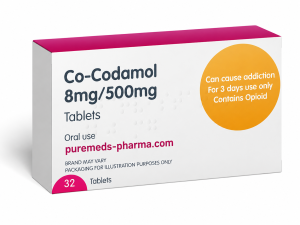
To expand your overall neurocognitive testing framework, documenting the specific impacts of dangerous drug combinations delivers crucial analytical insights for study designers. Therefore, defining exactly what not to take with pregabalin requires evaluating overlapping central nervous system depressants. Generally, combining this gabapentinoid with powerful opioids, strong benzodiazepines, or synthetic sedatives triggers extreme, synergistic respiratory depression risks in subject models. Because these dangerous overlapping mechanism pathways can cause sudden fatal hypoxia, tracking conflicting compound data requires absolute vigilance. Thus, establishing strict exclusion lists prevents accidental compound cross-contamination inside your laboratory.
Ultimately, determining the long-term utility of premium pregabalin solutions requires measuring raw degradation speeds under variable storage climates. Since maintaining pristine compound storage ensures predictable, highly repeatable data cycles, protecting your active chemical stocks remains completely vital.
Legal Disclaimer
Disclaimer: The compound discussed in this article is designed strictly for scientific laboratory research, in vitro experimentation, and educational simulation purposes. It is absolutely not approved for human consumption, direct therapeutic application, or clinical medical use. This informational content is generated purely for search optimization demonstration and does not constitute professional medical advice or an offer to dispense controlled substances. Always consult with a licensed biochemist, certified endocrinologist, or qualified medical practitioner before handling research compounds or designing experimental administration methodologies.


Reviews
There are no reviews yet.