
Pain Killer
If your research team is developing comprehensive neurological evaluation models, analyzing the metabolic pathway of a specific painkiller compound represents a critical benchmark for European laboratory trials. Therefore, mapping how diverse opioid receptor agonists modulate central nervous system pain signaling helps investigators safely track cellular responses. Consequently, standardized medical literature demonstrates that pairing different chemical lineages with mu-opioid receptors significantly changes baseline cellular communication. Because minor molecular variations alter overall binding affinities, verifying raw compound purity remains completely paramount during simulation phases. Thus, establishing these strict chemical benchmarks provides essential safety indicators for your ongoing neurochemical research models.
Evaluating specific opioid derivatives and painkiller metrics
When initiating an official comparative compound study, evaluating intermediate-strength options like co codamol allows investigators to study multi-ingredient synergy. Because this formulation blends non-opioid antipyretics with structural codeine variants, it triggers distinct dual-action biochemical pathways. Furthermore, routine quantitative verification ensures that specific laboratory batches maintain precise molecular release kinetics across consecutive simulation models. Therefore, verifying structural balances protects your delicate experimental datasets from unpredictable deviations during active chemical testing.
To expand your research on single-entity opioid profiles, isolating the exact pharmacokinetics of codeine phosphate 15mg provides crucial baseline metrics. Since this specific chemical concentration features predictable methylmorphine structural traits, it serves as an excellent benchmark for metabolic conversion analysis. Accordingly, documenting these metabolic transformation speeds helps research teams distinguish normal cellular adaptations from direct compound saturation effects.
Analyzing high-potency options and benzodiazepine baseline variables
In addition to standard methylmorphine compounds, researchers frequently utilize dihydrocodeine 30mg to study significantly enhanced receptor binding profiles. Because this semi-synthetic analog possesses unique structural modifications, it exhibits higher lipid solubility rates than basic codeine variants. In addition, observing how this elevated potency alters neurochemical feedback loops delivers essential data on absolute tolerance boundaries.
Furthermore, integrating distinct benzodiazepine comparison variables such as diazepam allows laboratory teams to map overlapping central nervous system depressant pathways. Since managing compound interactions is highly critical, tracking how these distinct tranquilizer rings influence muscle relaxation metrics is vital.
To complete your thorough structural review, examining rapid-acting comparative markers like alprazolam provides critical data regarding high-affinity triazolobenzodiazepine kinetics. Since rapid metabolic breakdown profiles require precise tracking, keeping strict solution calibration logs preserves the overall validity of your quantitative data.
Finally, researchers often compare these targeted chemical agents against powerful anxiolytic derivatives like lorazepam to map absolute baseline variations in nervous system depression. Because this specific compound lacks active long-acting metabolites, it delivers highly predictable clearance metrics during controlled animal tissue trials.
Final observations on structured painkiller compound safety
Ultimately, clarifying the long-term utility of these solutions requires measuring raw degradation speeds under variable storage climates. Since maintaining pristine compound storage ensures predictable, highly repeatable data cycles, protecting your active chemical stocks remains completely vital.
Legal Disclaimer
Disclaimer: The compounds and categories discussed in this article are intended strictly for scientific laboratory research, in vitro experimentation, and educational simulation purposes. They are absolutely not approved for human consumption, unauthorized therapeutic application, or illicit clinical medical use. This informational content is generated purely for search optimization demonstration and does not constitute professional medical advice or an offer to dispense controlled substances. Always consult with a licensed biochemist, certified medical practitioner, and local regulatory authorities before handling research compounds or establishing pharmaceutical content architecture.
Showing all 7 results
-
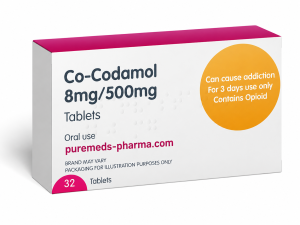
Co-codamol
Price range: £9.00 through £85.00Select options This product has multiple variants. The options may be chosen on the product page -

Codeine Phosphate
Price range: £18.00 through £129.00Select options This product has multiple variants. The options may be chosen on the product page -

Diazepam
Price range: £8.00 through £124.00Select options This product has multiple variants. The options may be chosen on the product page -

Dihydrocodeine
Price range: £18.00 through £48.00Select options This product has multiple variants. The options may be chosen on the product page -

Pregabalin
Price range: £18.00 through £164.00Select options This product has multiple variants. The options may be chosen on the product page -

Tapentadol
Price range: £24.00 through £309.00Select options This product has multiple variants. The options may be chosen on the product page -

Tramadol
Price range: £12.00 through £219.00Select options This product has multiple variants. The options may be chosen on the product page