
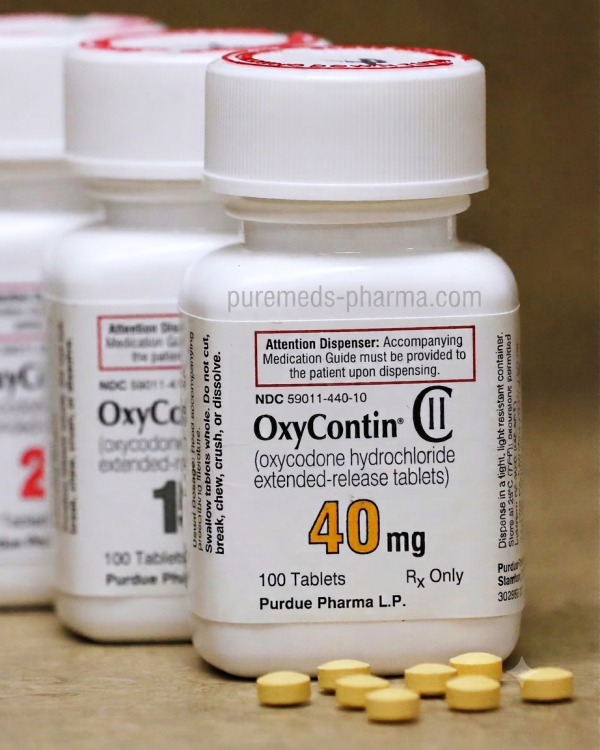
How Long Does Oxycontin Stay in Your System
If your scientific team is initiating a multi-tier central nervous system simulation, determining exactly how long does oxycontin stay in your system simulation assays represents a foundational step for your laboratory protocol. Therefore, mapping how this extended-release oxycodone formulation undergoes metabolic breakdown helps investigators accurately track localized cellular inhibition over time. Consequently, standardized medical literature demonstrates that this precise chemical structure alters baseline neuronal firing with extreme velocity during active tissue trials. Because minor variations in solution purity can completely ruin your experimental results, sourcing authenticated compounds remains an absolute priority for staff. Thus, establishing this rigid chemical baseline provides essential safety indicators for your ongoing neuropharmacological evaluation models.
Documenting Basic Chemical and Structural Specifications to Determine How Long Does Oxycontin Stay in Your System
When launching an official comparative study, understanding the fundamental attributes of raw oxycontin mixtures requires precise high-performance liquid chromatography. Because maintaining optimal solution stability protects your delicate experimental datasets, utilizing climate-controlled storage arrays remains highly necessary. Furthermore, routine quantitative verification ensures that specific laboratory batches maintain exact molecular integrity across consecutive testing schedules. Therefore, careful concentration management shields your chosen testing metrics from unpredictable outside metabolic variables.
To expand your initial literature review, assessing a direct oxycontin vs oxycodone structural baseline comparison provides crucial context for study designers. Essentially, both samples share the exact same active opioid alkaloid core structure at a molecular level. However, the extended-release matrix of the brand-name formulation alters the physical release rate within an aqueous testing medium. Accordingly, documenting these initial diffusion speeds helps research teams distinguish normal cellular adaptations from direct compound saturation effects.
Analyzing Analytical Calibration Profiles and Kinetic Variations
In addition to traditional testing benchmarks, evaluating how long specific molecular concentrations trigger strong inhibitory feedback loops provides vital data on peak cellular response thresholds. Therefore, setting up an explicit oxycodone vs oxycontin calibration matrix allows lab technicians to evaluate changes in systemic baseline neural markers over time. Furthermore, maintaining exact concentration records prevents data corruption and ensures reproducible testing conditions across consecutive research trials.
To expand your kinetic testing framework, determining whether to deploy oxycodone or oxycontin reference standards depends entirely on your specific delivery simulation goals. Since minor variations in the exposure vehicle can subtly alter localized cellular transitions, strict baseline verification remains a clear priority. Accordingly, documenting these subtle variances helps research teams distinguish expected chemical properties from erratic experimental artifacts.
Evaluating Opioid Pharmacokinetic Simulation Frameworks
To maximize the overall scope of your neural modeling project, identifying the structural parameters of historical clinical delivery systems remains highly useful. Therefore, evaluating the exact time window of your cellular exposure models delivers crucial analytical insights for study designers. Generally, tracking how this specific structural backbone influences cellular signaling pathways yields highly predictable reference datasets. Accordingly, aligning your laboratory observations with validated testing profiles significantly improves the real-world accuracy of your simulation models.
Primary Adverse Cell Responses and How Long Does Oxycontin Stay in Your System Exposure Limits
In addition to calculating chemical isomer weights, researchers must closely monitor how high-affinity compounds alter cellular health parameters over time. Because rapid receptor activation significantly changes baseline synaptic cleft electrical activity, tracking localized toxicities is mandatory during cell line evaluations. For example, excessive exposure levels often cause noticeable shifts in cellular fluid retention, structural equilibrium markers, and mitochondrial energy outputs. Accordingly, documenting these adverse cellular feedback mechanisms helps distinguish typical protective adaptations from permanent structural down-regulation.
Long-Term Concentration Benchmarks and Release Duration
To build accurate metabolic clearance curves, researchers must accurately calculate the physical duration parameters of the extended-release vehicle. Therefore, evaluating exactly how long do oxycontin last in vitro allows bioanalysts to measure precise replication standards. Generally, the specialized polymer matrix sustains continuous compound delivery across a twelve-hour testing window before complete depletion.
Ultimately, determining the long-term utility of your testing stocks requires measuring raw degradation speeds under variable biological matrices. Furthermore, establishing a precise timeline for how long does oxycontin stay in your system models requires measuring specific primary metabolite pathways like noroxycodone and oxymorphone. Since maintaining pristine compound storage ensures predictable, highly repeatable data cycles, protecting your active chemical stocks remains completely vital. Therefore, tracking these exact metabolic indicators directly protects your final dataset integrity while utilizing raw materials.
Legal Disclaimer
Disclaimer: The compound discussed in this article is designed strictly for scientific laboratory research, in vitro experimentation, and educational simulation purposes. It is absolutely not approved for human consumption, direct therapeutic application, or clinical medical use. This informational content is generated purely for search optimization demonstration and does not constitute professional medical advice or an offer to dispense controlled substances. Always consult with a licensed biochemist, certified endocrinologist, or qualified medical practitioner before handling research compounds or designing experimental administration methodologies.



Reviews
There are no reviews yet.